Plate carrier vs chest rig: What do you chose and why?
Choosing between a plate carrier and a chest rig can feel like a big step—especially if you’re not sure how you plan to use the kit day to day. Both options can serve you well, but they’re built around different priorities. The real question isn’t just “which one looks better,” it’s which one matches your intended setup, your movement needs, and how much protection and load capacity you actually want. A chest rig is typically the lighter, lower-profile option, making it easier to stay mobile and comfortable for longer periods, while still offering plenty of front access to essential gear and ammunition. The trade-off is that a chest rig usually provides less overall protection and leaves more of your back—and sometimes more of the front—unprotected compared to Armor-forward setups.A plate carrier, on the other hand, is built to carry plates for a more protective configuration and often gives you a more capable platform for adding pouches and gear in multiple positions. The downside is that it can be bulkier, heavier, and may feel hotter or more cumbersome depending on your setup. In this blog, we’ll help you weigh these pros and cons so you can choose the option that best fits your goals and how you plan to use the kit.
Plate carrier & Chest rig what's the difference?
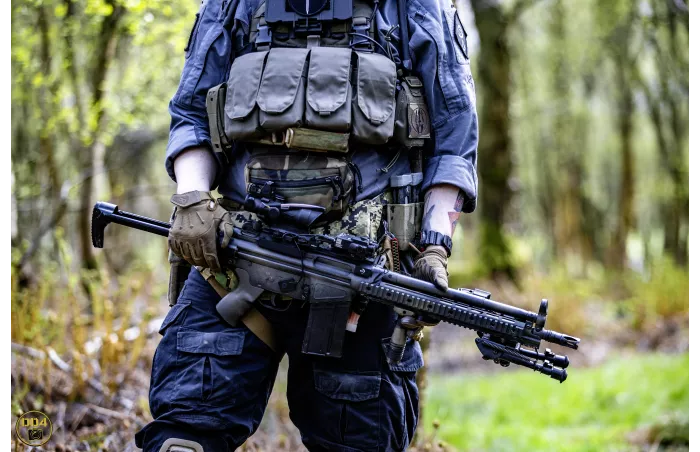
A chest rig and a plate carrier both go on your torso to help you carry equipment such as magazines & flashbangs, but they’re built with different goals in mind. A chest rig is typically lighter and sits lower on your body, with the emphasis on carrying pouches for commonly used items—things like magazines, admin/utility pouches, and often medical gear. Because most chest rigs aren’t intended to hold ballistic armour, they usually keep things more streamlined and comfortable for longer wear, especially if you’re trying to minimize bulk and weight. The trade-off is that you’re generally not getting the same level of protection because the rig is not designed around plate placement.
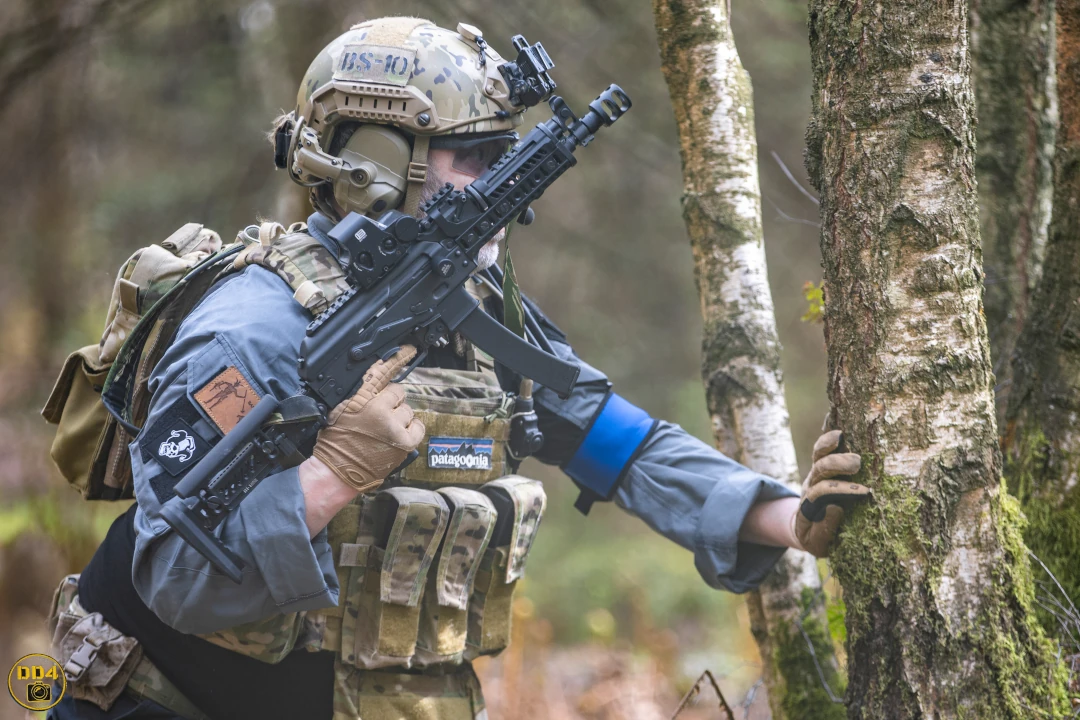
A plate carrier, on the other hand, is designed to accept armour plates. That’s the biggest difference: the plate carrier’s purpose is to create an armour-ready platform that can be configured for more protection. Plate carriers typically feel bulkier and can add more weight compared to a chest rig, since they’re built around plate pockets and a sturdier construction. They also tend to offer more mounting options for additional pouches or accessories, often allowing you to build a more comprehensive loadout across the front and sides. The downside is that extra protection and modularity often come with more bulk, more “kit” feel on your body, and possibly more heat or friction depending on how you’re wearing it and what gear you attach.
can you wear a chest rig over a plate carrier?
Yes—you can wear a chest rig over a plate carrier, and in many setups it can work well for carrying extra pouches or additional admin/utility gear. That said, it depends on how the chest rig mounts and how your plate carrier is built. Some plate carriers require specific attachment methods for the chest rig to clip on securely—such as Velcro, clips, or G-hooks. Most modern plate carriers and modern chest rigs are compatible, and they’re commonly designed with the right attachment points (or modular systems) so layering is straightforward.
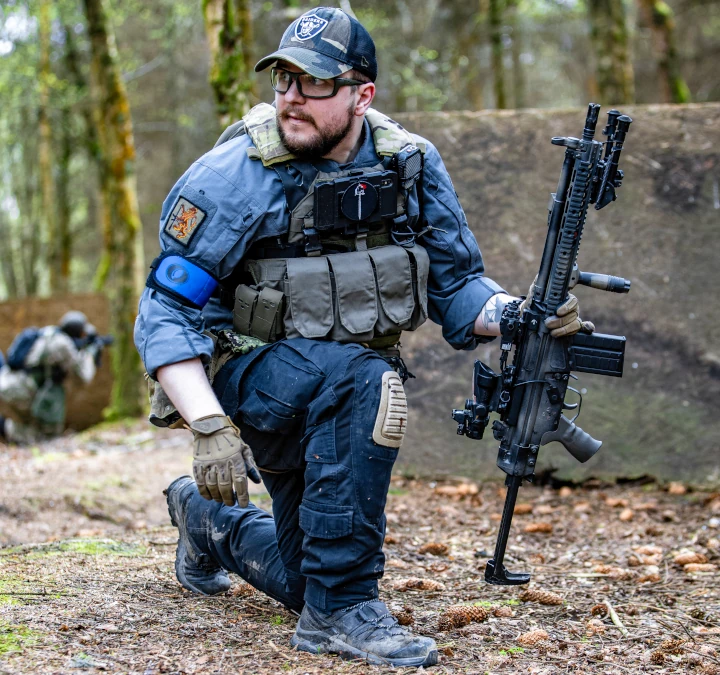
However, with older plate carriers, compatibility can be less reliable. If the plate carrier mainly uses MOLLE webbing and the chest rig expects a different mounting style (or vice versa), you may run into fit/attachment issues. In those cases, the chest rig might be harder to secure properly, or it may not align well for stable placement.
Are plate carriers legal?
Yes, plate carriers are legal in the UK. You can buy them over the counter and in store with no licence or restrictions.
Where should a chest rig sit?
A chest rig depending on what model you have should fit just below you chest allowing freedom of movement. Essentially it should fit at the top of your tummy/ bottom of your rib cage.
How high should a plate carrier sit?
A plate carrier should sit just below/ on the v bone at the top of your rib cage. This is so that all your vitals are covered i.e. your heart & lungs. Both the plate bags should be at the same level at the front and back so that the plate carrier won't sag to one side. This can be adjusted via the shoulder straps, also make sure your cumberband is tight but not choking your gut tight.
Which should I choose?
Choosing between a plate carrier and a chest rig really comes down to the individual, because it’s not one-size-fits-all—it’s entirely different for each person and mostly comes down to personal preference and your specific priorities. Some people value protection and an armor-ready setup above everything else, in which case a plate carrier is usually the better fit. Plate carriers are designed to mount plates and typically feel more “complete” for a protective configuration, but they also tend to be bulkier and can feel like they add more weight and heat during longer wear.
Other people prioritize lightweight carry, comfort, and mobility, and that’s where a chest rig often shines. Chest rigs are usually lower profile and built around carrying pouches and gear efficiently, making them easier to wear for extended periods and often more comfortable if you’re trying to keep things streamlined. The trade-off is that chest rigs generally offer less built-in protection than a plate carrier setup, since they aren’t meant to be a plate-mounted armor system.

So the real answer is: you should choose based on what matters most to you—comfort, mobility, how much gear you want to carry, and whether you want an armor-forward setup or a lighter rig. If you tell me what you’re using it for (training, range use, airsoft, everyday carry setup, etc.) and what kind of load you expect to carry, I can help you narrow down which option fits your preferences better.
Photos by: @piszczyk_dd4
2nd May 2026